
The Ultimate African Safari Safety Guide
Jonathan Alder • 25 Jun 2025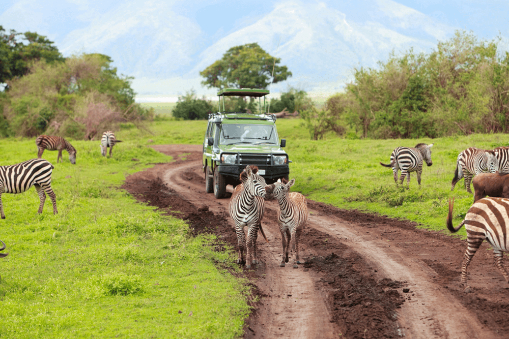
Planning a trip to Africa for a safari is a dream come true for many travelers. While the excitement of witnessing wildlife up close is unmatched, it’s important to ensure that your trip is both safe and enjoyable. African safari safety is vital for protecting yourself and making the most of your experience. Whether you are getting ready for your first safari or returning for another adventure, being aware of safety measures helps you navigate your journey smoothly and responsibly.
Essential Safety Tips
- Research Your Destination
Before getting on your safari, take the time to thoroughly research the region you plan to visit. Each African country has different wildlife, weather patterns, and safety concerns that can affect your trip. From understanding the terrain to learning about local health advisories, this research will help you make informed decisions about your safari adventure. The more you know, the better prepared you will be for any situation, allowing you to enjoy your experience to the fullest.
- Choose a Reputable Operator
Choosing the right safari operator is key to ensuring a safe and comfortable journey. A reputable operator not only prioritizes your safety but also has expert knowledge of wildlife and the local environment. Make sure to read reviews, ask for recommendations, and verify credentials before booking. A well-established safari company will provide experienced guides who can enhance your experience while keeping you safe in unfamiliar surroundings. Trusting your guide’s expertise will allow you to relax and focus on enjoying the trip.
- Pack Essential Items
Packing the right items can make or break your safari experience. Include essentials such as sunblock, insect repellent, and a wide-brimmed hat to protect yourself from the elements. Durable shoes, lightweight clothing, and a good pair of binoculars are also important for your comfort and enjoyment. Remember to pack medications and first aid items in case of minor health concerns. Being well-prepared with these essentials will help you stay focused on the adventure without worrying about inconveniences.
- Stay Hydrated and Protect Yourself from the Sun
The African sun can be intense, and dehydration is a common risk for safari travelers. Always carry a water bottle and hydrate regularly, especially during long game drives. Wearing sunscreen and lightweight, long-sleeved clothing can protect your skin from the harsh sun while keeping you cool. Staying hydrated and shielded from the sun will allow you to maintain your energy levels and enjoy your safari with ease, reducing the risk of heat-related issues.
- Follow Local Customs and Etiquette
Respecting the customs and traditions of the local communities you encounter is an important aspect of your safari experience. Take the time to learn basic etiquette, such as appropriate dress codes and polite behavior in the presence of wildlife guides and villagers. This not only shows respect for the local culture but also fosters positive interactions that can enhance your trip. Being mindful of local customs ensures you make a positive impression while staying safe.
Wildlife Encounters
- Maintain a Safe Distance
Wild animals can be unpredictable, and getting too close can put you and the animal at risk. Always maintain a safe distance when observing wildlife on your safari. Use binoculars for a closer view rather than approaching animals. Even though they may seem calm, any sudden movements or changes in behavior can trigger aggression. Staying at a respectful distance helps you avoid dangerous situations and lets the animals behave naturally in their environment.
- Do Not Feed or Approach Animals
Feeding wild animals can lead to serious problems for both humans and wildlife. Animals that become accustomed to human food may become aggressive or overly dependent on tourists. This can disrupt their natural behaviors and increase the risk of dangerous encounters. Always follow your guide’s advice and resist the urge to feed or approach wildlife. Keeping a respectful boundary ensures the safety of everyone involved and preserves the animals’ well-being.
- Be Aware of Your Surroundings
Safari landscapes can be vast and filled with wildlife, making it vital to stay alert at all times. Pay attention to your surroundings, not only to spot animals but also to avoid potential hazards. Whether you are on foot or in a vehicle, maintaining awareness of your environment will help you react quickly if needed. Remaining vigilant is key to ensuring your safety while still enjoying the thrill of seeing wildlife up close.
- Use Caution When Taking Photos
Photography is an important part of any safari, but it’s key to remain cautious while capturing these moments. Avoid using flash, which can startle animals and provoke unwanted reactions. Always keep a safe distance when taking pictures, and do not position yourself in a way that blocks escape routes for the animals. Taking careful precautions when photographing wildlife allows you to capture beautiful images without putting yourself or the animals at risk.
Vehicle Safety
- Securely Fasten Seatbelts
Safari vehicles are designed to provide an open and immersive experience, but it is still important to fasten your seatbelt during game drives. Rough terrain and unexpected movements can occur as your vehicle navigates through the bush. Buckling up ensures that you remain safe during these bumpy rides. This simple step helps prevent injuries and allows you to focus on enjoying the scenery and wildlife without worry.
- Do Not Stand or Lean Out of Vehicles
It may be tempting to stand up or lean out of your safari vehicle to get a better view, but this can be dangerous. Animals may perceive you as a threat, and sudden movements could provoke them. Always stay seated within the vehicle and follow the guide’s instructions. Leaning out of the vehicle can also increase the risk of falling or being injured by overhanging branches. Staying inside the vehicle ensures your safety and that of those around you.
- Be Aware of Road Conditions
Road conditions in safari areas can vary greatly, from smooth tracks to rugged and uneven terrain. Being aware of the changing conditions helps you prepare for any bumps or swerves during the journey. If you are driving yourself, pay close attention to the road and adjust your speed accordingly. For guided safaris, trusting the experience of your guide will ensure you stay safe on the sometimes challenging roads.
- Follow Guide’s Instructions
Your safari guide is your best source of knowledge and safety during your trip. Always follow their instructions carefully, whether it’s about wildlife behavior, vehicle safety, or the best ways to observe animals. Guides have extensive experience in navigating the safari environment and can help you avoid dangerous situations. Listening to and respecting their guidance will keep you safe and enhance your overall experience.
Medical Preparedness
- Consult a Doctor Before Your Trip
Before embarking on your African safari, it’s important to consult with a healthcare professional to ensure you are prepared for any health risks. Your doctor can provide vaccinations, medications, and advice specific to the regions you will visit. This consultation will help you avoid preventable illnesses and ensure that you are physically prepared for the conditions you may encounter. Proper medical preparation allows you to focus on your safari without worrying about your health.
- Pack Essential Medications
If you regularly take medications, make sure to pack enough to last the duration of your trip. It is also wise to bring basic medications for common issues such as headaches, allergies, or digestive problems. Having a well-stocked medical kit ensures that you are prepared for minor health concerns during your safari. This will help you avoid unnecessary trips to medical facilities and allow you to focus on enjoying your adventure.
- Be Aware of Malaria Risk
Certain regions in Africa carry a risk of malaria, and it is important to be aware of this before your trip. Consult your doctor about taking preventive medication and take measures to avoid mosquito bites, such as using insect repellent and wearing long-sleeved clothing. Understanding the risk and taking preventive steps will help you avoid illness and ensure that you stay healthy during your safari.
- Know the Nearest Medical Facility
In case of emergencies, it’s important to know the location of the nearest medical facility. Your safari operator should provide this information, and it’s wise to keep it handy during your trip. Being aware of where to go for medical help can make all the difference in an emergency situation. Knowing this ensures that you can access care quickly if needed, minimizing any health risks during your adventure.
Accommodation and Camp
- Choose Safe Accommodations
The safety of your accommodation is a key factor in ensuring an enjoyable safari. Choose lodges or camps with a good reputation for security and comfort. Look for options that offer proper fencing, security personnel, and well-maintained facilities. Safe accommodations provide peace of mind, allowing you to relax and focus on the wildlife experience rather than worrying about safety.
- Follow Camp Rules
Safari camps have specific rules in place to ensure the safety of their guests and the wildlife. These rules may include restrictions on where you can walk or what activities are allowed after dark. Always follow the camp’s guidelines and listen to staff instructions. Adhering to these rules will keep you safe and allow you to enjoy your stay without unnecessary risks.
- Be Cautious of Nighttime Activities
Nighttime is when many animals are most active, and it’s important to exercise caution during these hours. Avoid walking alone in the dark and always stay within designated areas of the camp. If you need to leave your tent or lodge at night, request an escort from the camp staff. Being cautious after dark will help you avoid potentially dangerous encounters with wildlife.
- Secure Your Belongings
While on safari, it’s important to keep your belongings secure to prevent loss or theft. Always store valuables in a safe or locked area when not in use, and avoid leaving items unattended. Keeping your belongings safe ensures that you can focus on enjoying your safari without distractions or concerns.
Additional Safety Considerations
- Be Aware of Political and Social Conditions
Before traveling, it’s important to research the political and social conditions of the region you plan to visit. Some areas may experience instability, which could affect your safety. Stay informed through reliable news sources and follow any travel advisories issued by authorities. Being aware of the situation on the ground helps you avoid potential risks and ensures a safe journey.
- Avoid Traveling Alone
For your safety, it’s generally recommended to avoid traveling alone, especially in remote or unfamiliar areas. Traveling with a group or a trusted guide provides added security and helps you navigate challenges more easily. Group travel also allows for assistance in case of emergencies. Staying with others reduces the risk of encountering safety issues during your safari.
- Learn Basic Phrases in the Local Language
Learning a few basic phrases in the local language can go a long way in enhancing your safari experience. It helps foster positive interactions with local communities and can be useful in case of emergencies. Understanding simple words or phrases allows for better communication and can help you navigate your surroundings more smoothly. It also shows respect for the local culture, making your experience more enjoyable.
- Stay Informed About Current Events
Before and during your trip, keep an eye on current events that may impact your safari. This includes monitoring weather conditions, road closures, or any security concerns in the region. Staying informed allows you to make timely adjustments to your plans and avoid potential risks. Being prepared with up-to-date information ensures a smoother and safer journey.
Jonathan’s Travels: Luxury Travel Agency with Personalized Travel Planning
For an extraordinary safari experience, look no further than Jonathan’s Travels. We offer luxury travel planning services designed to provide seamless travels tailored to your needs. With our expertise in personalized travels, you can get on your safari adventure with confidence, knowing that every detail has been carefully handled. Our team ensures that your travel preferences are met, allowing you to enjoy your trip without worrying about logistics.