How To Plan An African Safari You’ll Never Forget
Jonathan Alder • 15 Jan 2025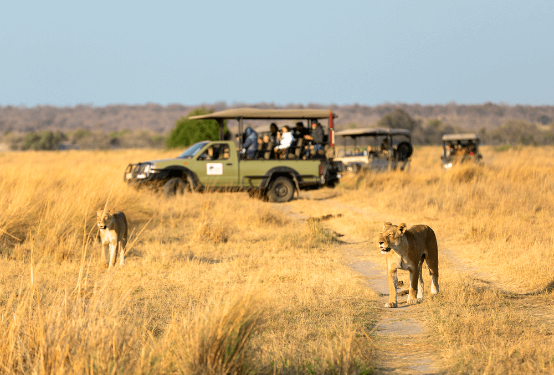
Planning an African safari trip is an exciting journey into the heart of nature, offering a unique opportunity to experience wildlife up close in their natural habitats. To ensure an unforgettable adventure, it is important to thoughtfully organize every detail of your trip. From choosing the best time to go and selecting the right destinations to booking accommodations and planning activities, each step plays a critical role in crafting the perfect safari. Here is a comprehensive guide on how to plan an African safari that will leave you with cherished memories for a lifetime.
Choose the Best Time of Year for Safari
Different times of the year offer unique opportunities to view wildlife and enjoy the natural surroundings. For example, the dry season, which runs from June to October in many African countries, is often considered the best time for wildlife viewing. During this season, animals gather around water sources, making them easier to spot.
In contrast, the wet season, from November to April, brings lush green landscapes and is ideal for bird watching. However, it may not be the best time for spotting larger animals due to the dense vegetation. It’s essential to research the weather patterns and wildlife behaviors of your chosen destination to plan the perfect time for your safari.
Select the Ideal Safari Destination for Wildlife Viewing
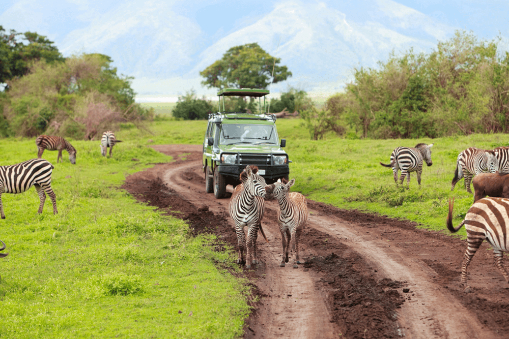
Africa is home to many famous national parks and reserves, each offering unique landscapes and wildlife encounters. For example, the Serengeti National Park in Tanzania and the Masai Mara National Reserve in Kenya are renowned for their Great Migration, where millions of wildebeest and zebras move across the plains.
Other popular destinations include Kruger National Park in South Africa, known for its diverse ecosystems and Big Five game viewing, and Botswana’s Okavango Delta, where water-based safaris provide a different perspective. Understanding the unique features of each location can help you choose the best destination for your wildlife viewing preferences.
Decide Between Guided and Self-Drive Safari Experiences
Guided safaris offer the expertise of local guides who know the terrain and wildlife, enhancing your chances of spotting animals and learning about the ecosystem. They also provide a safer option for travelers unfamiliar with the area, as guides are trained to handle various situations that may arise in the wild.
Self-drive safaris, on the other hand, provide a sense of independence and the freedom to explore at your own pace. This option is ideal for experienced travelers who are comfortable navigating unfamiliar terrains and want a more personalized adventure. It’s essential to weigh the pros and cons of each type to decide which is best suited to your needs.
Research and Book Accommodations That Suit Your Preferences
Options range from luxurious lodges and tented camps to more basic camping setups, each offering a different experience and level of comfort. Luxury lodges often provide all-inclusive packages with meals, guided tours, and other amenities, making them a convenient choice for travelers seeking comfort and ease.
For those looking for a more authentic experience, tented camps and campsites offer a closer connection to nature. These options allow you to immerse yourself in the environment, often with the sounds of the African wilderness right outside your tent. When booking, consider the location, amenities, and the type of experience you wish to have during your safari.
Plan a Budget for Safari Activities and Expenses
Safaris can range from budget-friendly to luxury, depending on your preferences for accommodations, guided tours, and additional activities. It’s important to consider all costs, including park entry fees, transportation, meals, and tips for guides and staff.
Additionally, setting aside funds for optional activities such as hot air balloon rides, guided bush walks, or cultural tours can enhance your safari experience. Careful budgeting allows you to enjoy all the desired activities without financial strain, ensuring a more enjoyable and fulfilling adventure.
Include Diverse Safari Activities Beyond Game Drives
While game drives are the highlight of any African safari, including a variety of activities can enrich your experience. Options such as guided bush walks offer a chance to explore the environment up close, learning about the smaller, often overlooked aspects of the ecosystem. Water-based safaris, available in destinations like the Okavango Delta, provide unique perspectives on wildlife from the water.
Cultural tours to local communities offer insights into the lifestyles and traditions of the people living near the wildlife reserves. These activities provide a more comprehensive understanding of the region’s culture and natural beauty, making your safari experience more varied and memorable.
Pack Essential Safari Gear for Comfort and Safety
Packing the right gear is vital for comfort and safety during your safari. Essentials include lightweight, breathable clothing in neutral colors to blend in with the environment and protect against the sun. A good pair of binoculars and a quality camera are necessary for capturing those unforgettable wildlife moments.
Comfortable walking shoes, a wide-brimmed hat, sunscreen, and insect repellent are also essential for protection from the elements. Preparing a well-thought-out packing list ensures you have everything needed for a comfortable and enjoyable safari experience.
Understand the Local Wildlife and Ecosystem Diversity
Understanding the local wildlife and ecosystem diversity of your chosen safari destination enhances your experience by providing context for what you see. Each region in Africa is home to unique species and ecosystems, from the savannahs of East Africa, teeming with large herbivores and predators, to the wetlands and waterways of Botswana, rich in birdlife and aquatic animals.
Learning about the different species, their behaviors, and their habitats before your trip can provide a deeper appreciation of the natural world. It also helps you know what to expect and look for during your safari.
Consider Health Precautions and Vaccinations for Safari Travel
Health precautions and vaccinations are important considerations when planning an African safari. Depending on your destination, vaccinations for diseases such as yellow fever, typhoid, and hepatitis may be required or recommended. Malaria is also a concern in many safari areas, so taking antimalarial medications and using mosquito repellent is crucial.
Consulting with a healthcare professional or a travel clinic before your trip is advisable to ensure all necessary vaccinations and medications are taken. Being prepared with the right health precautions ensures a safe and worry-free safari experience.
Hire Experienced Guides for In-Depth Wildlife Knowledge
Hiring experienced guides can significantly enhance your safari experience by offering invaluable knowledge about the local wildlife and their behaviors. These guides are often trained naturalists who possess a deep understanding of animal habits, seasonal patterns, and ecosystem dynamics. Their keen observation skills and familiarity with the terrain mean they can spot well-camouflaged animals that might be missed by the untrained eye. With their help, you can encounter more wildlife and learn about the fascinating intricacies of animal behavior, ensuring a more fulfilling and educational wildlife viewing experience.
Guides share engaging stories and insights about local traditions, historical landmarks, and indigenous practices, adding a rich cultural dimension to your adventure. This deeper understanding enriches your safari, transforming it from a simple wildlife excursion to an immersive experience that connects you with the land, its people, and its history. A knowledgeable guide can turn a routine game drive into a memorable journey that resonates long after your safari ends.
Guides are also trained in safety protocols, which is crucial when navigating the wild. Their presence ensures that you follow the appropriate safety measures, such as maintaining a safe distance from animals and understanding the right responses to various wildlife encounters. This expertise is vital in minimizing risks and ensuring that your safari remains safe and enjoyable. By hiring an experienced guide, you gain a safeguard against potential dangers while also enhancing the overall quality of your safari experience.
Ensure Safety by Following Safari Etiquette and Rules
Ensuring safety on a safari is paramount, and following the rules and etiquette is crucial to achieving this. Safari guides emphasize the importance of keeping a safe distance from wildlife, staying inside the vehicle during game drives, and avoiding sudden movements or loud noises that could disturb the animals. These guidelines are designed to protect both visitors and wildlife, reducing the risk of potentially dangerous encounters. Respecting these rules ensures a safe and enjoyable experience for everyone, allowing you to observe animals in their natural environment without causing them distress.
Adhering to safari etiquette also involves being mindful of the environment. Littering, for example, can harm local wildlife and disrupt the natural beauty of the landscape. Minimizing your impact on the surroundings helps preserve the pristine condition of these unique habitats for future visitors. Safari parks are often fragile ecosystems, and careless actions can have long-term consequences. By following the principles of leave-no-trace, you contribute to sustainable tourism practices that protect these environments and maintain their ecological integrity.
Following safari rules and etiquette extends beyond environmental concerns to include cultural sensitivity. Being respectful of local customs and practices is important, especially when visiting communities near the reserves. Understanding and honoring local traditions not only fosters positive relationships with the people you encounter but also enriches your experience. A safari is more than just a wildlife adventure; it is an opportunity to engage respectfully with the people and cultures that call these regions home. By observing etiquette and rules, you help create a positive, respectful, and sustainable safari environment.
Opt for Sustainable and Eco-Friendly Safari Practices
Choosing sustainable and eco-friendly practices is vital for preserving Africa’s natural beauty and wildlife. Opting for eco-lodges that use renewable energy and have minimal environmental impact is one way to support sustainable tourism. Participating in conservation activities, such as guided tours that contribute to wildlife protection efforts, also makes a positive impact.
Being mindful of your environmental footprint by minimizing waste and using eco-friendly products contributes to the conservation of these precious environments. Responsible tourism ensures that future generations can also enjoy the wonders of an African safari.
Prepare for Climate Variations with Appropriate Clothing
African climates can vary greatly, with hot days and cooler nights, especially in the desert regions. Packing lightweight, breathable clothing for daytime wear and warmer layers for the evenings ensures comfort throughout your trip.
A waterproof jacket is also advisable, particularly if traveling during the rainy season. Being prepared for different weather conditions allows you to fully enjoy your safari experience without discomfort or inconvenience.
Plan Travel Logistics to and from Safari Locations
Many safari locations are remote, requiring a combination of flights, road transfers, and possibly small charter planes. Researching the most efficient routes and booking in advance ensures a smooth journey.
Organizing transfers and understanding the local transportation options helps avoid potential delays or complications. Having a clear travel plan in place allows you to focus on enjoying your safari adventure.
Set Expectations for a Memorable and Enjoyable Safari
Setting realistic expectations is key to enjoying your safari. While wildlife sightings are a highlight, nature is unpredictable, and not every game drive will result in seeing the Big Five. Being open to the experience and appreciating all aspects of the safari, from the stunning landscapes to the smaller, often overlooked animals, will lead to a more fulfilling adventure.
Understanding that a safari is about immersing yourself in nature and appreciating the beauty of the wilderness, rather than ticking off a checklist, ensures a memorable and enjoyable experience.
Get on Your Dream Safari with Jonathan’s TravelsAt Jonathan’s Travels, we expertly coordinate every aspect of your journey to ensure a seamless and stress-free experience. Made up of a team of the best travel agents, we provide personalized itineraries that cater to your unique preferences, offering you the chance to explore Africa’s incredible landscapes and wildlife in comfort and style. As a leading luxury travel agency, we handle all details, from booking exclusive accommodations to arranging guided tours, so you can focus on creating lasting memories.